
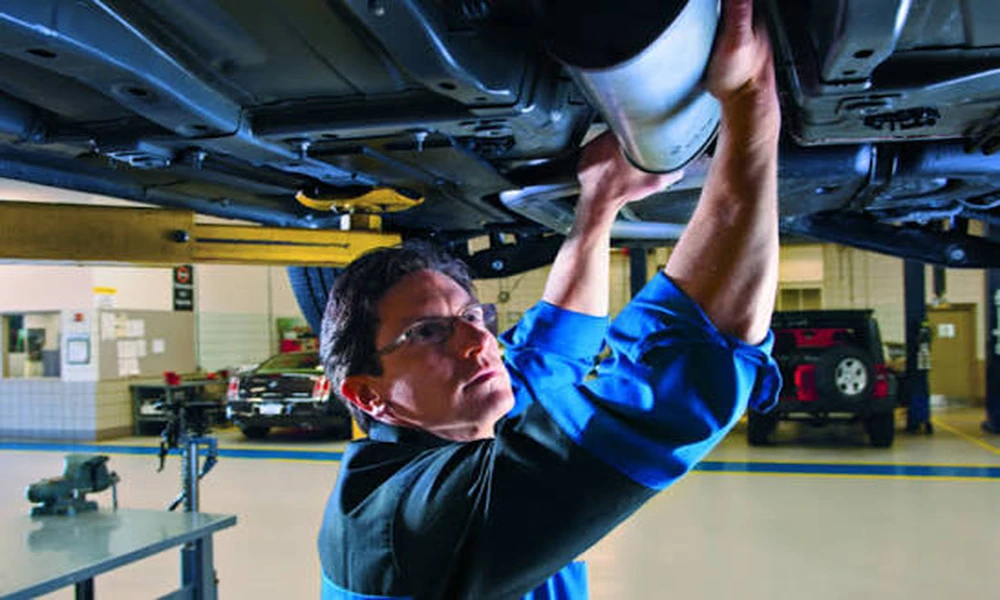
Transmission fluid helps lubricate important components inside the transmission system. In automatic transmissions it also supports hydraulic pressure and controlled gear engagement. Clean fluid allows internal components to operate with less unnecessary friction. The clutch materials can therefore experience more controlled engagement during normal driving conditions.
Heat Can Gradually Reduce Fluid Protection
Transmission systems generate considerable heat during normal driving and frequent gear changes. Heavy traffic can increase operating temperatures because the transmission works continuously. High temperatures can accelerate fluid degradation and reduce its protective capabilities. As fluid quality declines internal components may experience greater friction during operation.
Now regular fluid inspections can help identify changes before serious damage develops. Darkened fluid may indicate contamination or prolonged exposure to excessive operating temperatures. Unusual smells can also suggest that the fluid has experienced excessive heat. Professional servicing from Auto Medict can help determine whether fluid replacement is appropriate.
Proper Fluid Condition Helps Reduce Clutch Wear
Clutch components require controlled engagement to prevent unnecessary friction during gear changes. Clean transmission fluid supports smooth hydraulic operation in systems that depend upon fluid pressure. When fluid becomes contaminated shifting can become less consistent during everyday driving. This can place additional stress on clutch materials and related transmission components.
A suitable fluid also helps maintain appropriate lubrication across internal transmission surfaces. Using incorrect fluid can affect performance and may create additional mechanical concerns. Therefore manufacturer specifications should guide every transmission fluid replacement procedure. Auto Medict can inspect fluid condition and recommend suitable maintenance based on vehicle requirements.
Delayed Fluid Changes Can Increase Transmission Problems
Some vehicles may show warning signs before significant mechanical damage develops. Difficult shifting and unusual engagement can indicate changing transmission conditions. Strange noises may also appear when internal components experience excessive friction. Professional evaluation can help determine whether fluid service can prevent further deterioration.
Long-Term Maintenance Supports Better Transmission Reliability
A consistent transmission maintenance routine can protect important components throughout vehicle ownership. Fluid inspections provide useful information about internal transmission operating conditions. Regular servicing can also identify leaks before fluid levels become dangerously low. Proper fluid levels remain essential for effective lubrication and hydraulic transmission operation.
Now early attention can reduce the possibility of extensive transmission repairs later. Drivers should follow the service recommendations provided for their specific vehicle. Driving conditions may also influence how frequently transmission fluid requires professional inspection. Auto Repair in Bradenton, FL service can provide suitable transmission maintenance when fluid concerns appear.
Conclusion
A professional inspection can determine whether fluid replacement is currently necessary. It can also reveal leaks or developing transmission concerns during routine servicing. Auto Medict can assist with appropriate transmission maintenance and professional diagnostic support. Proper attention today can help preserve smoother shifting and dependable vehicle performance.